Prices are shown for reference only and may vary by retailer. Always check the latest price before buying.
| Product | Award | Rating | Best For | Price |
|---|---|---|---|---|
| Moroccanoil Treatment Original | Best Overall | 4.7/5 | Everyday frizz control and shine | Check latest |
| Living Proof No Frizz Leave-In Conditioner | Best for All-Day Humidity Control | 4.5/5 | Long-lasting frizz control in high humidity | Check latest |
| John Frieda Frizz Ease Original Serum | Best Budget Pick | 4.4/5 | Affordable daily frizz smoothing | Check latest |
| Redken Frizz Dismiss Anti-Static Sealing Serum | Best Premium Option | 4.5/5 | Smoothing and static control in dry heat | Check latest |
| Bumble and bumble Anti-Humidity Gel Oil | Best for Extreme Humidity | 4.4/5 | Very high humidity or coastal climates | Check latest |
1. Moroccanoil Treatment Original
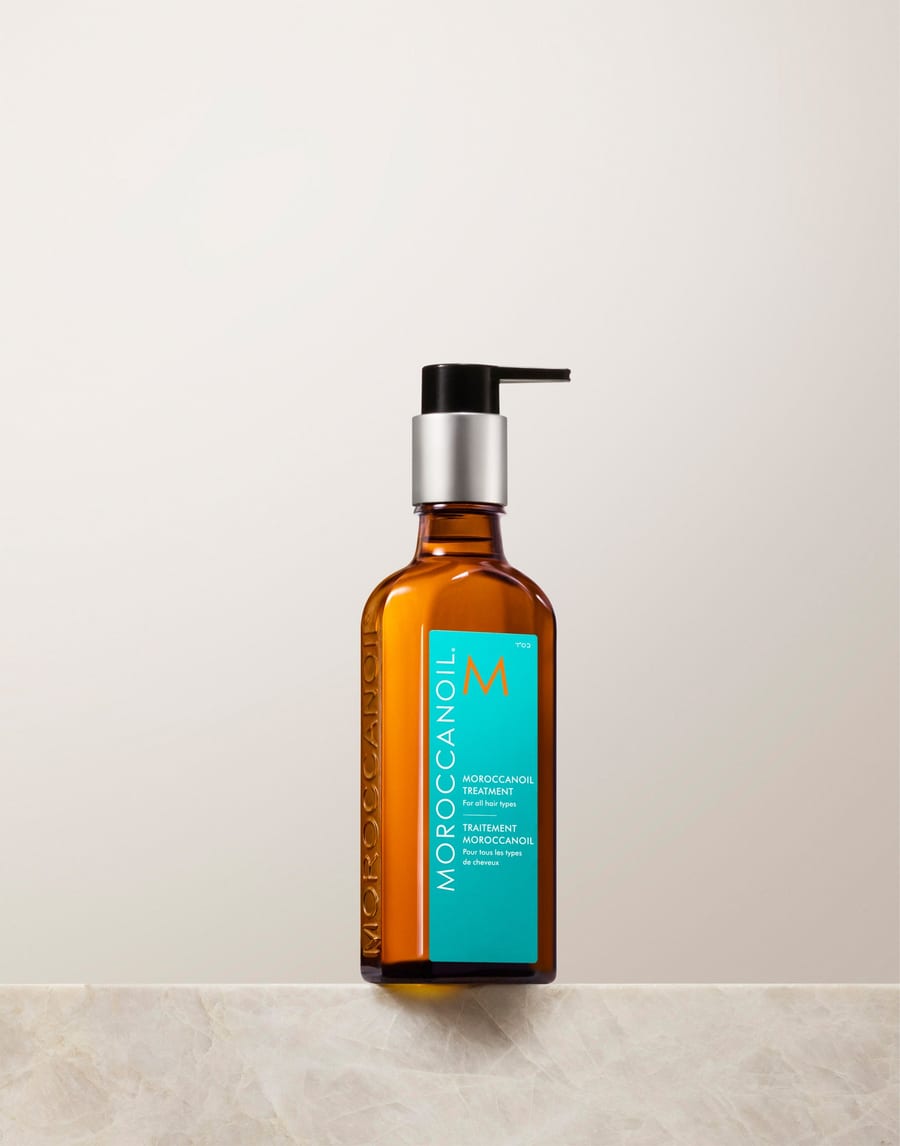
An argan oil-infused treatment designed to condition, smooth, and add shine while helping to seal the hair cuticle against humidity. A few drops can be applied to damp or dry hair as a finishing step.
Pros
- Lightweight, non-greasy texture
- Adds noticeable shine
- Works on damp or dry hair
- Doubles as a heat protectant
Cons
- Premium price point
- A little goes a long way, easy to overuse at first
Moroccanoil's original treatment has stayed popular for a reason: it smooths flyaways and adds shine without the heaviness of many oils. Applied sparingly to dry hair in the morning, it holds up well through a warm, humid day.
2. Living Proof No Frizz Leave-In Conditioner
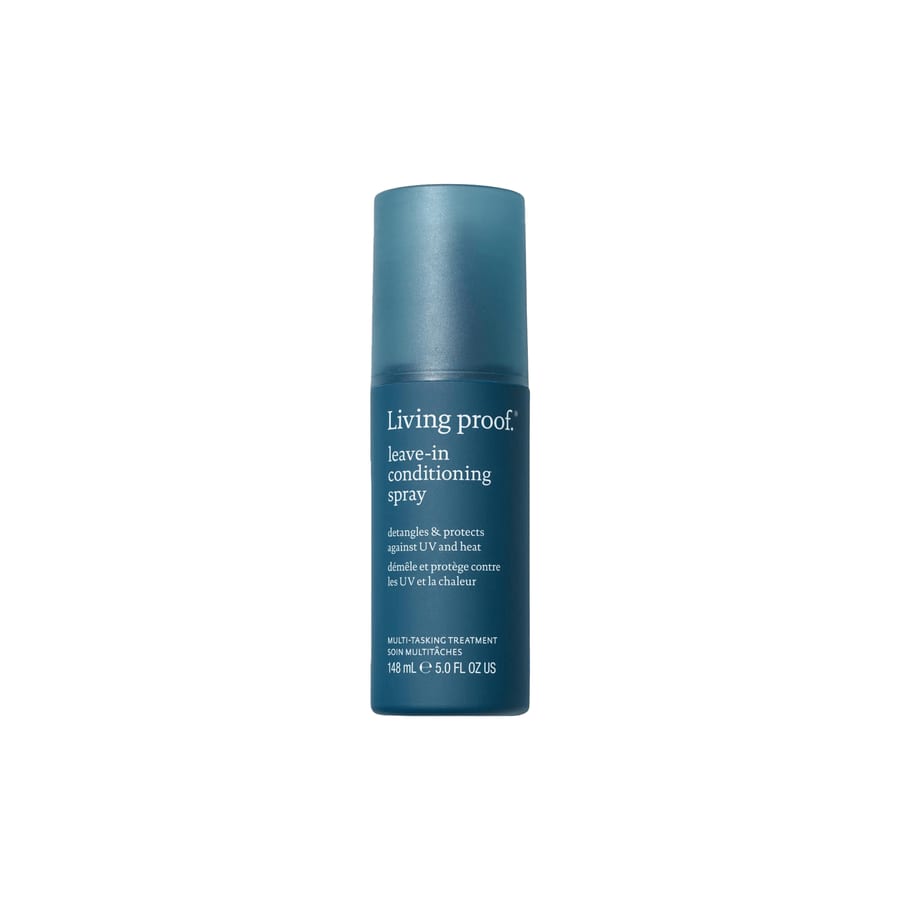
A leave-in conditioner built around Living Proof's polymer technology, designed to block humidity from penetrating the hair shaft while smoothing and detangling. The lightweight formula is applied to damp hair before styling.
Pros
- Strong humidity resistance
- Lightweight, no residue
- Also detangles and softens hair
Cons
- Higher price point
- Best results require consistent use
This leave-in is built specifically to fight humidity at the strand level rather than just mask it with oil, which makes it one of the more reliable options for consistently hot, humid days. It layers well under styling products without weighing hair down.
3. John Frieda Frizz Ease Original Serum
A classic silicone-based serum formulated to smooth the hair cuticle, reduce static, and add shine. It is applied sparingly to damp or dry hair and has remained a widely available drugstore staple for years.
Pros
- Affordable and widely available
- Noticeable smoothing effect
- Small bottle lasts a long time
Cons
- Silicone-based, some prefer to avoid this
- Can feel heavy if overapplied
Frizz Ease has been a reliable, no-fuss option for a long time, and it still performs well for the price. A couple of drops smoothed through the ends after styling helps flyaways stay down through a humid afternoon.
4. Redken Frizz Dismiss Anti-Static Sealing Serum
A lightweight sealing serum from Redken's Frizz Dismiss line, formulated with babassu oil to smooth the cuticle and reduce static and flyaways. It is designed as a finishing product for both humid and dry, static-prone conditions.
Pros
- Effective against both frizz and static
- Lightweight, glossy finish
- Good for color-treated hair
Cons
- Salon pricing
- May be too light for very coarse, thick hair alone
This serum stands out for handling static as well as frizz, which makes it useful in air-conditioned indoor environments as much as outdoor humidity. It leaves a polished, glossy finish that works well before a formal event or meeting.
5. Bumble and bumble Anti-Humidity Gel Oil
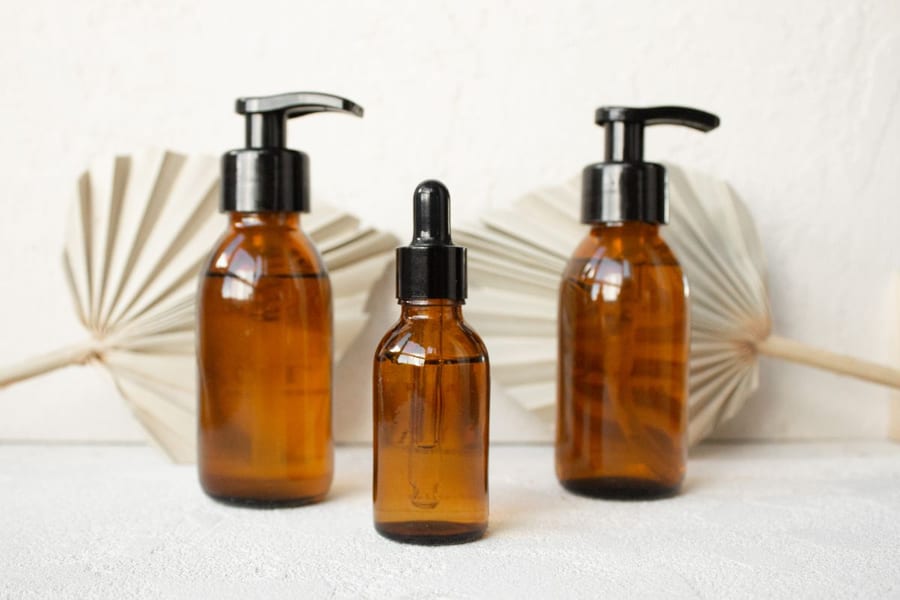
A hybrid gel-oil formulated to combine hold with humidity resistance, designed to smooth frizz and flyaways while adding light shine. It is applied to damp hair before styling and can also touch up dry hair midday.
Pros
- Strong performance in extreme humidity
- Doubles as a light hold styler
- Convenient for midday touch-ups
Cons
- Premium salon pricing
- Gel-oil texture takes getting used to
Bumble and bumble's gel-oil is built for genuinely difficult humidity, which makes it worth considering for coastal Gulf cities during peak summer humidity. It holds style shape while keeping the surface smooth rather than puffy.
Frequently Asked Questions
Why does hair frizz more in Gulf humidity even with air conditioning?
Moving between hot, humid outdoor air and dry, air-conditioned indoor air repeatedly stresses the hair cuticle, which can make frizz worse rather than better over the course of a day. A humidity-resistant leave-in or serum applied in the morning helps hair hold its shape through both environments.
Should I use an oil or a leave-in conditioner for frizz control?
Lightweight oils like Moroccanoil Treatment are good for daily shine and smoothing, while leave-in conditioners such as Living Proof No Frizz are formulated to more actively block humidity from penetrating the hair. Many men use both together, oil on the ends and leave-in through the lengths.
How often should I apply anti-frizz products?
Most anti-frizz serums and oils are designed for daily use, applied to damp or dry hair after washing or styling. Using too much at once is a more common problem than using it too often, so start with a small amount and add more only if needed.
Can anti-frizz products replace regular conditioner?
No, anti-frizz serums, oils, and leave-ins are finishing or styling products meant to work alongside a regular conditioner, not replace it. A good moisturizing shampoo and conditioner routine is still the foundation for reducing frizz long-term.
Final Verdict
Frizz control in a hot, humid climate usually comes down to sealing the hair cuticle and reducing moisture absorption rather than just adding shine. Moroccanoil Treatment Original is a dependable everyday choice, while Living Proof No Frizz and Bumble and bumble's gel-oil are worth the investment for consistently humid conditions.
Buying Guide
In hot, humid conditions, hair absorbs moisture from the air unevenly, which is what causes strands to swell and frizz rather than lie smooth. Anti-frizz products generally work in one of two ways: sealing oils and serums coat the hair surface to reduce moisture absorption, while leave-in conditioners and creams work more from within the strand to control how it reacts to humidity. Knowing which approach your hair responds to can save time and product.
For men who move between air-conditioned offices, cars, and outdoor heat throughout the day, a lightweight leave-in applied in the morning tends to hold up better than a heavier styling cream, which can feel greasy once temperatures rise. Sun exposure is also worth factoring in, since UV rays combined with heat can dry out hair further and make it more frizz-prone, so a product with some conditioning benefit is generally a safer choice than a pure hold product.
It is also worth adjusting expectations by season. Products that work well in a dry, hot summer may need to be swapped or supplemented during more humid coastal months. Keeping a lightweight travel-size serum or oil on hand for midday touch-ups is a simple way to maintain a clean look through long workdays or evening events.