Prices are shown for reference only and may vary by retailer. Always check the latest price before buying.
| Product | Award | Rating | Best For | Price |
|---|---|---|---|---|
| Durex Extra Sensitive | Best Overall | 4.6/5 | General use, everyday comfort | Check latest |
| Trojan Ultra Thin | Best Budget Pick | 4.4/5 | Value multi-packs | Check latest |
| SKYN Original | Best Latex-Free Option | 4.5/5 | Latex allergies, sensitive skin | Check latest |
| Okamoto 004 | Best Ultra-Thin Option | 4.5/5 | Maximum sensitivity | Check latest |
1. Durex Extra Sensitive
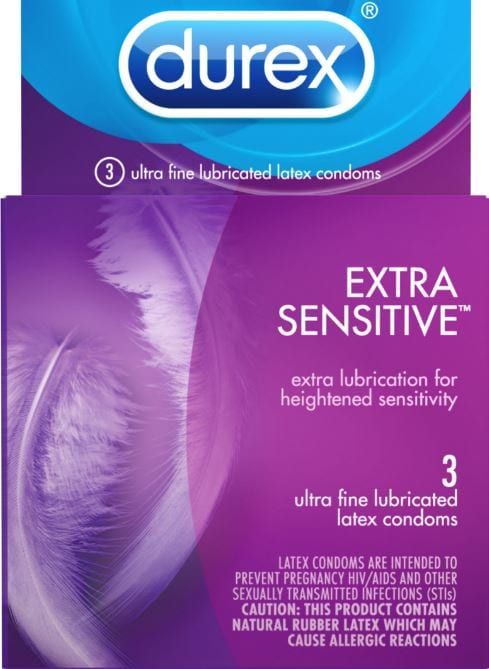
Made from natural rubber latex with a thinner wall construction than standard condoms, lubricated with a silicone-based formula. Reservoir-tipped and available in standard sizing at most pharmacies.
Pros
- Widely available at pharmacies
- Consistent, reliable fit
- Pre-lubricated, no additional lube required
- Reservoir tip for added safety margin
Cons
- Contains latex, not suitable for latex allergies
- Silicone lubricant may not be condom-safe with silicone toys
This is one of the most recognized names in the category, and the extra-sensitive line uses a thinner latex wall than the brand's standard product. Independent consumer testing generally rates it well for both fit consistency and tear resistance. It remains a dependable default choice for most buyers without a latex allergy.
2. Trojan Ultra Thin
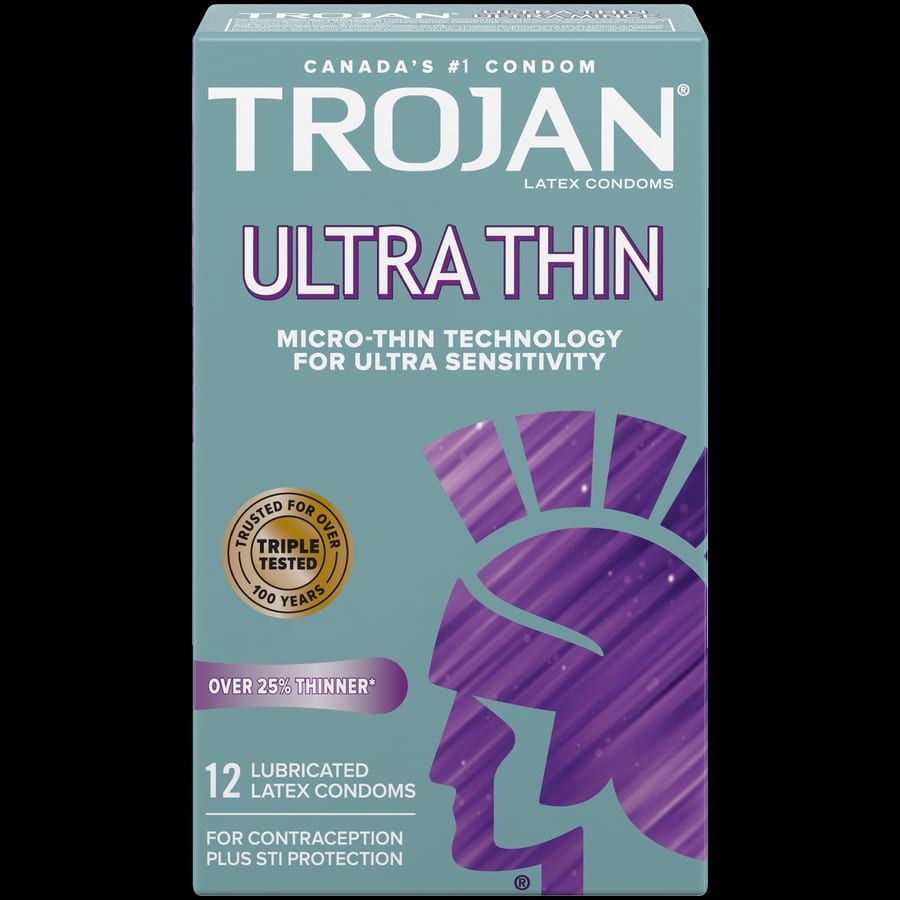
A latex condom with a thin-gauge wall and standard reservoir tip, lubricated with a silicone-based lubricant. Sold in larger multi-packs, which lowers the per-unit cost compared to premium lines.
Pros
- Lower cost per unit in bulk packs
- Easy to find at most drugstores
- Standard, predictable sizing
Cons
- Latex material, not allergy-friendly
- Thinner feel is less pronounced than ultra-premium lines
As one of the best-selling brands in North American pharmacies, this line offers a reasonable thin-wall option without the price premium of specialty imports. It is a practical everyday choice for buyers prioritizing cost and availability over the very thinnest materials on the market.
3. SKYN Original
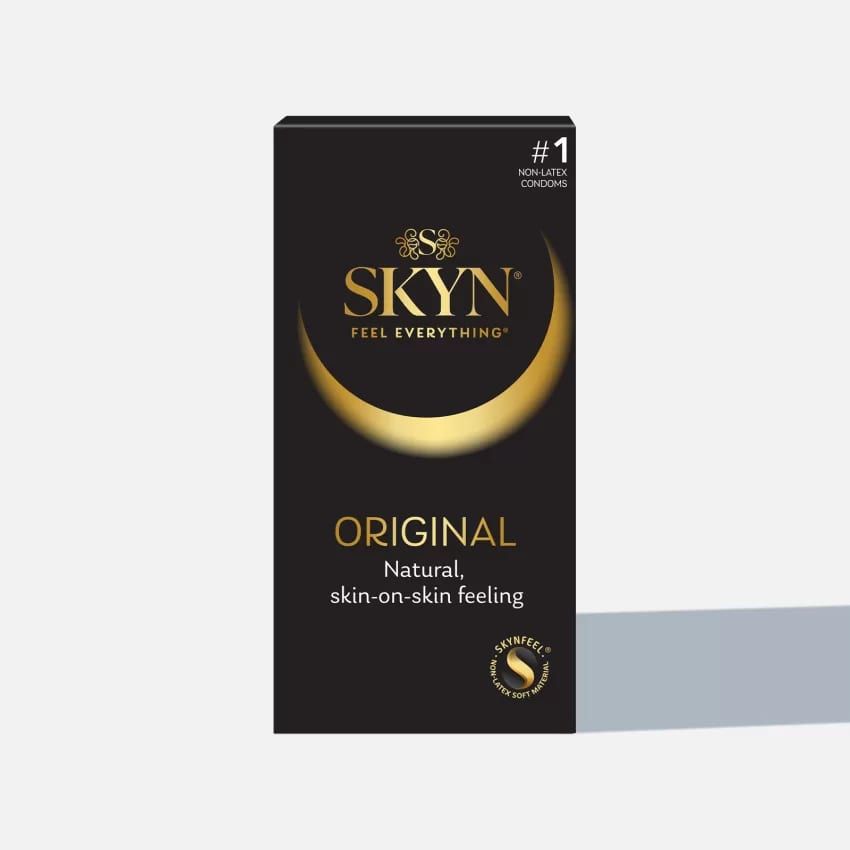
Made from a polyisoprene synthetic material rather than natural rubber latex, designed to feel closer to skin while remaining allergen-friendly. Pre-lubricated with a water-based formula and reservoir-tipped.
Pros
- Latex-free, suitable for latex-sensitive users
- Softer, more flexible material feel
- Water-based lubricant is compatible with most other lubricants
Cons
- Typically priced higher than standard latex condoms
- Polyisoprene is slightly less elastic than latex
This was one of the first mainstream non-latex lines to reach wide pharmacy distribution, and it remains a common recommendation for people with diagnosed or suspected latex sensitivity. The polyisoprene material is generally described by users as softer and more pliable than latex, though it carries a higher price point.
4. Okamoto 004
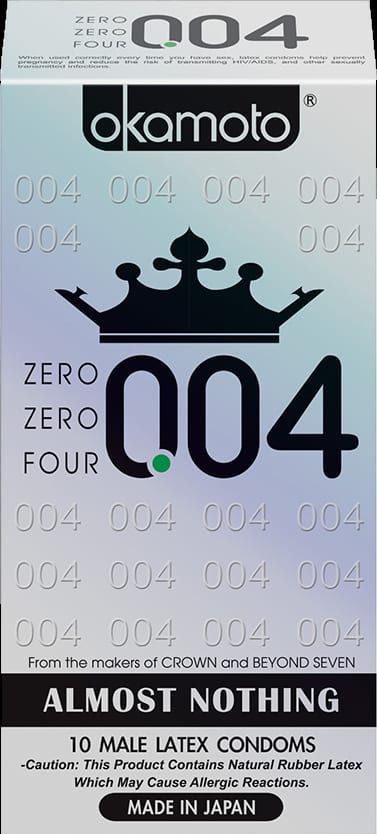
A Japanese-manufactured latex condom with a nominal wall thickness of 0.04mm, among the thinner options widely sold internationally. Coated with a silicone-based lubricant and manufactured to ISO 4074 standards.
Pros
- Very thin wall for a more natural feel
- Manufactured to international ISO safety standards
- Reliable quality control from an established manufacturer
Cons
- Less widely stocked in physical pharmacies than domestic brands
- Contains latex
- Ultra-thin material requires careful handling to avoid tearing during application
Okamoto is a long-established Japanese manufacturer known for producing some of the thinnest condoms sold globally. The 004 line is positioned as a sensitivity-focused product while still meeting standard international safety certifications, making it a popular import pick for buyers seeking a thinner alternative to typical Western brands.
Frequently Asked Questions
What is the difference between latex and non-latex condoms?
Latex condoms are made from natural rubber and are the most common and generally most affordable type sold. Non-latex options, typically made from polyisoprene or polyurethane, are designed for people with latex allergies and can also feel different in terms of flexibility and heat transfer.
Can oil-based lubricants be used with latex condoms?
No. Oil-based lubricants, including petroleum jelly, mineral oil, and many lotions, can weaken latex and increase the risk of breakage. Water-based or silicone-based lubricants are the recommended choice for latex condoms; polyisoprene condoms have similar restrictions.
How should condoms be stored, especially in hot climates?
Condoms should be kept in a cool, dry place away from direct sunlight and extreme heat, as high temperatures can degrade the material over time. Wallets and glove compartments, which can reach high temperatures, are not recommended for long-term storage.
Does thickness affect how reliable a condom is?
Ultra-thin condoms sold by reputable manufacturers are still tested to the same international safety and strength standards as standard condoms. Thickness primarily affects sensation rather than baseline reliability, provided the product is used correctly and within its expiration date.
Final Verdict
Choosing a condom largely comes down to material compatibility, fit, and personal comfort preference. Buyers with latex sensitivities should look toward polyisoprene options, while those prioritizing a thinner feel may prefer ultra-thin latex imports. As with any pharmacy product, checking the expiration date and proper storage conditions matters as much as the brand itself.
Buying Guide
Fit matters more than most buyers expect. Condoms sold at pharmacies typically come in a “standard” nominal width, but several brands also offer snugger or larger-fit variants. A condom that is too tight or too loose is more likely to feel uncomfortable or to slip, so checking the nominal width listed on the box against past experience is worth the extra minute.
Material compatibility is the second major factor. Natural rubber latex is the most common and most affordable material, but it is not suitable for anyone with a diagnosed latex allergy, in which case polyisoprene or polyurethane alternatives are the standard substitute. Lubricant choice matters here too: oil-based products can degrade latex and polyisoprene, so water-based or silicone-based lubricants are the safer pairing.
Finally, storage conditions matter in warmer regions. Heat and direct sunlight can accelerate material breakdown, so condoms are best kept in a drawer or cabinet rather than a car or a wallet carried for extended periods. Always check the printed expiration date before use.