Prices are shown for reference only and may vary by retailer. Always check the latest price before buying.
| Product | Award | Rating | Best For | Price |
|---|---|---|---|---|
| Astroglide Liquid | Best Overall | 4.5/5 | General use, long-lasting glide | Check latest |
| K-Y Jelly | Best Budget Pick | 4.2/5 | Value, thicker gel texture | Check latest |
| Durex Play Feel | Best for Condom Pairing | 4.4/5 | Use alongside Durex condoms | Check latest |
| Sliquid H2O | Best Glycerin-Free Formula | 4.6/5 | Sensitive skin, glycerin-free preference | Check latest |
1. Astroglide Liquid
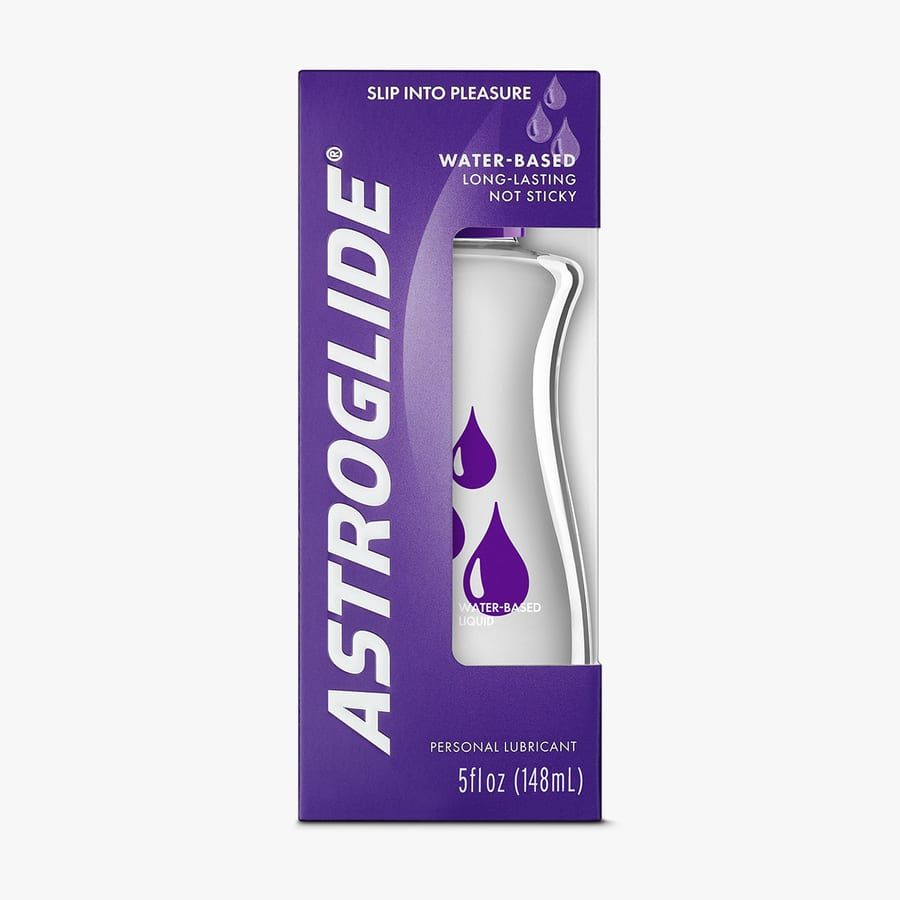
A water-based formula with a thin, liquid consistency, primarily composed of purified water, glycerin, and propylene glycol. Free of oils, making it compatible with latex and polyisoprene condoms.
Pros
- Widely available at pharmacies
- Thin texture, doesn't feel heavy
- Compatible with latex and polyisoprene condoms
- Easy to rinse off with water
Cons
- Contains glycerin, which some users with sensitivity prefer to avoid
- May require reapplication for longer use
This is one of the best-known names in the water-based lubricant category, with a formula that has stayed largely consistent for decades. Its thin, liquid texture is a common preference for buyers who dislike thicker gel formats, and its condom compatibility makes it a safe default pairing for most barrier products.
2. K-Y Jelly
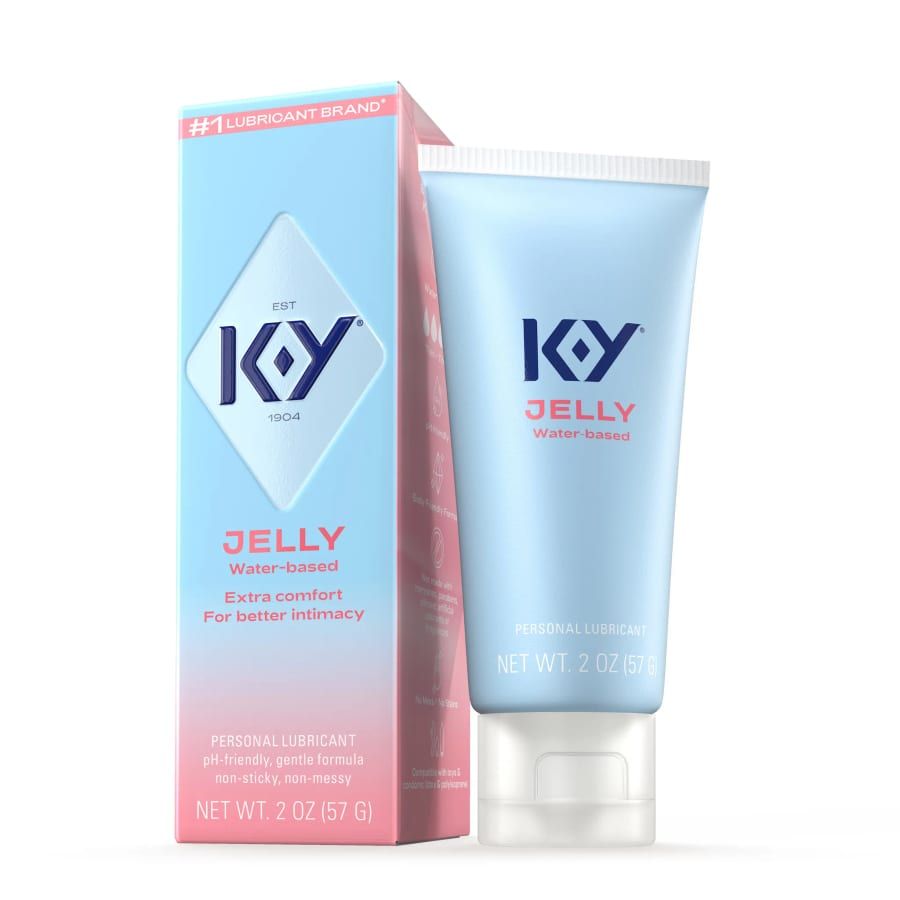
A water-based, glycerin-containing gel formula with a thicker consistency than liquid lubricants. Widely stocked at pharmacies and drugstores, typically sold at a lower price point than premium brands.
Pros
- Low cost and very widely available
- Thicker gel texture provides more cushioning feel
- Condom-compatible
Cons
- Glycerin and thicker texture can feel tackier over time
- Some users report it dries out faster than liquid formulas
As one of the longest-running personal lubricant brands sold in mainstream pharmacies, this jelly-format product remains a familiar, low-cost option. The thicker gel consistency is a matter of preference compared to thinner liquid formulas, and it is broadly compatible with standard latex condoms.
3. Durex Play Feel
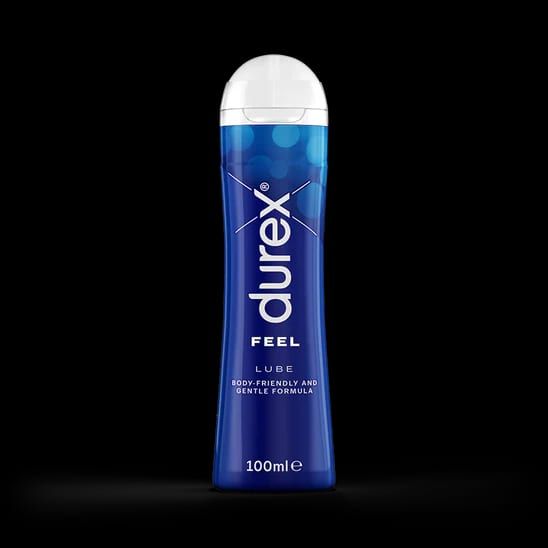
A water-based lubricant formulated by the same manufacturer as one of the leading condom brands, designed with condom compatibility as a core feature. Contains purified water, glycerin, and a light, non-sticky finish.
Pros
- Formulated specifically for condom compatibility
- Light, less sticky finish than some gels
- Widely stocked alongside the brand's condom lines
Cons
- Contains glycerin
- Smaller bottle sizes than some competitors
Because it is produced by a major condom manufacturer, this lubricant is often marketed and shelved directly alongside that brand's condom lines, which makes pairing straightforward for buyers who prefer to stick with one brand. The finish is generally described as lighter and less tacky than some competing gels.
4. Sliquid H2O
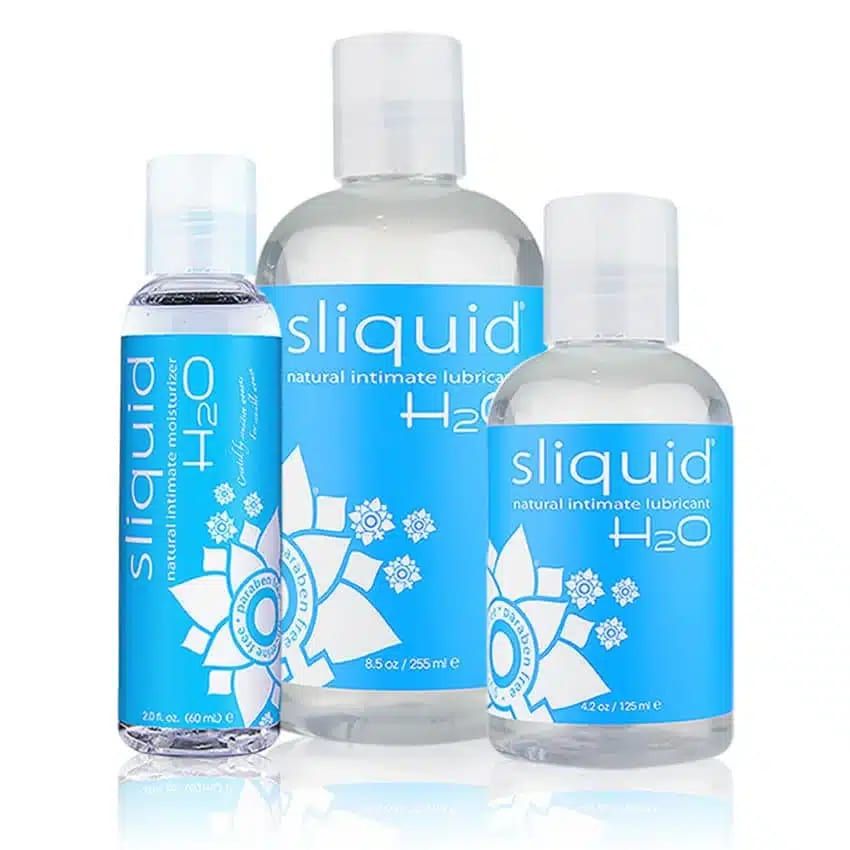
A water-based lubricant formulated without glycerin, parabens, or petroleum derivatives, using plant-cellulose-derived thickeners instead. Positioned toward buyers seeking a simpler ingredient list.
Pros
- Glycerin-free and paraben-free formula
- Simpler ingredient list favored by sensitive-skin users
- Condom-compatible
Cons
- Typically pricier than mass-market brands
- Less widely stocked in smaller pharmacies
This brand has built a reputation around simpler, allergen-conscious formulations, and the glycerin-free approach is a notable point of difference from most mass-market lubricants. It is a common recommendation for buyers who have previously found glycerin-containing products irritating.
Frequently Asked Questions
Are water-based lubricants safe to use with condoms?
Yes, water-based lubricants are broadly compatible with both latex and polyisoprene condoms and are generally the safest lubricant category to pair with barrier products. Oil-based lubricants, by contrast, can degrade latex and are not recommended for condom use.
What does glycerin do in a lubricant, and why do some people avoid it?
Glycerin is a common humectant used to keep lubricants smooth and moist. Some users prefer glycerin-free formulas because glycerin can occasionally cause a sticky residue as it dries or, in some sensitive individuals, mild irritation.
How should lubricant be stored, especially in warmer climates?
Water-based lubricants should be kept at room temperature, away from direct sunlight and excessive heat, and tightly resealed after each use to prevent contamination or evaporation. Most bottles list a shelf life on the packaging once opened.
Can water-based lubricants be used with silicone toys?
Yes, water-based lubricants are generally the safest option for use with silicone products, unlike silicone-based lubricants, which can sometimes degrade silicone material over repeated use. Checking the manufacturer's guidance for specific products is still recommended.
Final Verdict
Water-based lubricants remain the most broadly compatible option for use with condoms and most other products, with the main differences between brands coming down to texture, ingredient list, and price. Buyers sensitive to glycerin or seeking a simpler formulation have several glycerin-free alternatives, while budget-focused buyers can rely on long-established gel formulas.
Buying Guide
Texture is the first practical difference between water-based lubricants. Liquid formulas tend to feel lighter and are often preferred for a more natural feel, while gel formulas offer more cushioning and can last slightly longer before needing to be reapplied. Neither texture is inherently better; it largely comes down to personal preference.
Ingredient lists are worth a quick check, particularly for anyone with sensitive skin. Glycerin is a common ingredient that keeps lubricants smooth, but some users prefer glycerin-free formulas to avoid a sticky residue as the product dries. Fragrance-free and paraben-free options are also available for those who prefer a simpler formulation.
As with other personal care products, water-based lubricants should be stored away from direct heat and sunlight, which is a relevant consideration in warmer climates. Once opened, most bottles should be used within the timeframe listed on the packaging, and the cap should be resealed tightly after each use.